SpaceBell
A downloadable game for Windows
Scientific Hypothesis Games (Sci-Hy) are a genre of games that explore and test scientific theories, hypotheses, and concepts through interactive gameplay. These games combine entertainment with education, allowing players to experience and understand complex scientific ideas through game mechanics, puzzles, and narrative.
Unlike traditional educational games that simply present facts, scientific hypothesis games invite players to engage with scientific reasoning, explore alternative theories, and understand how scientific knowledge is constructed and tested. They often present competing scientific viewpoints and allow players to experience the implications of different theoretical frameworks.
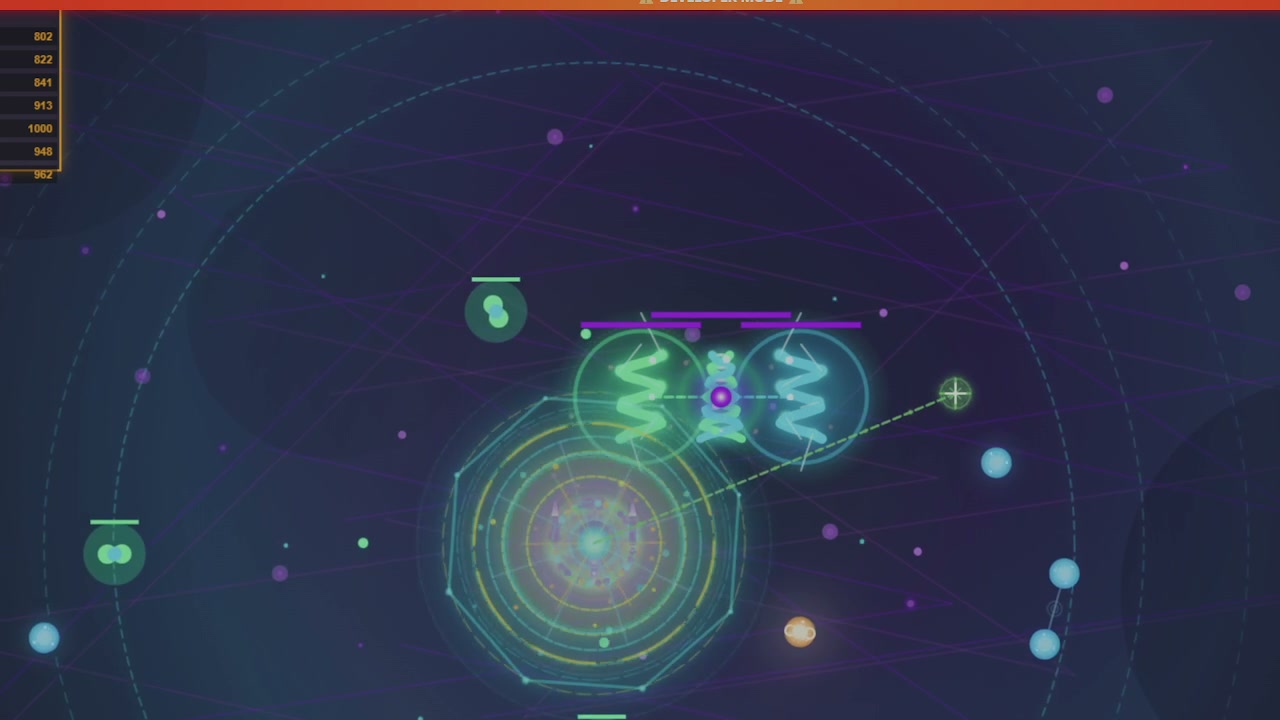
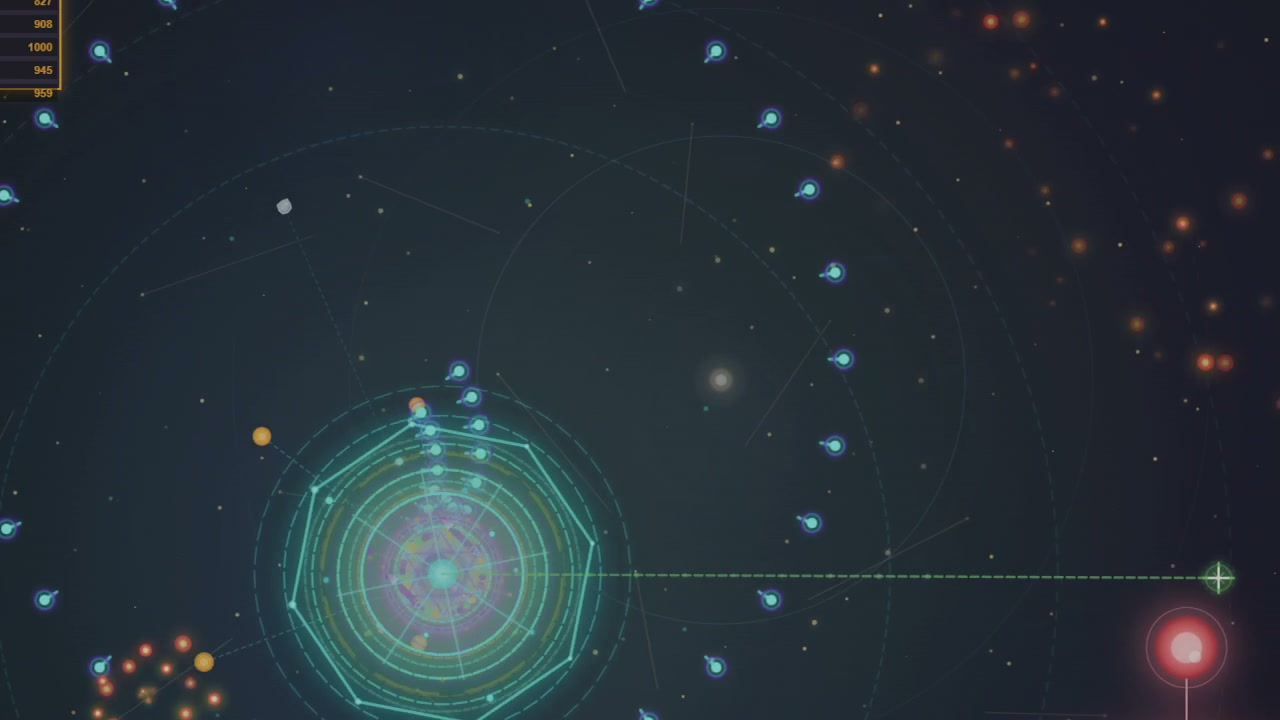
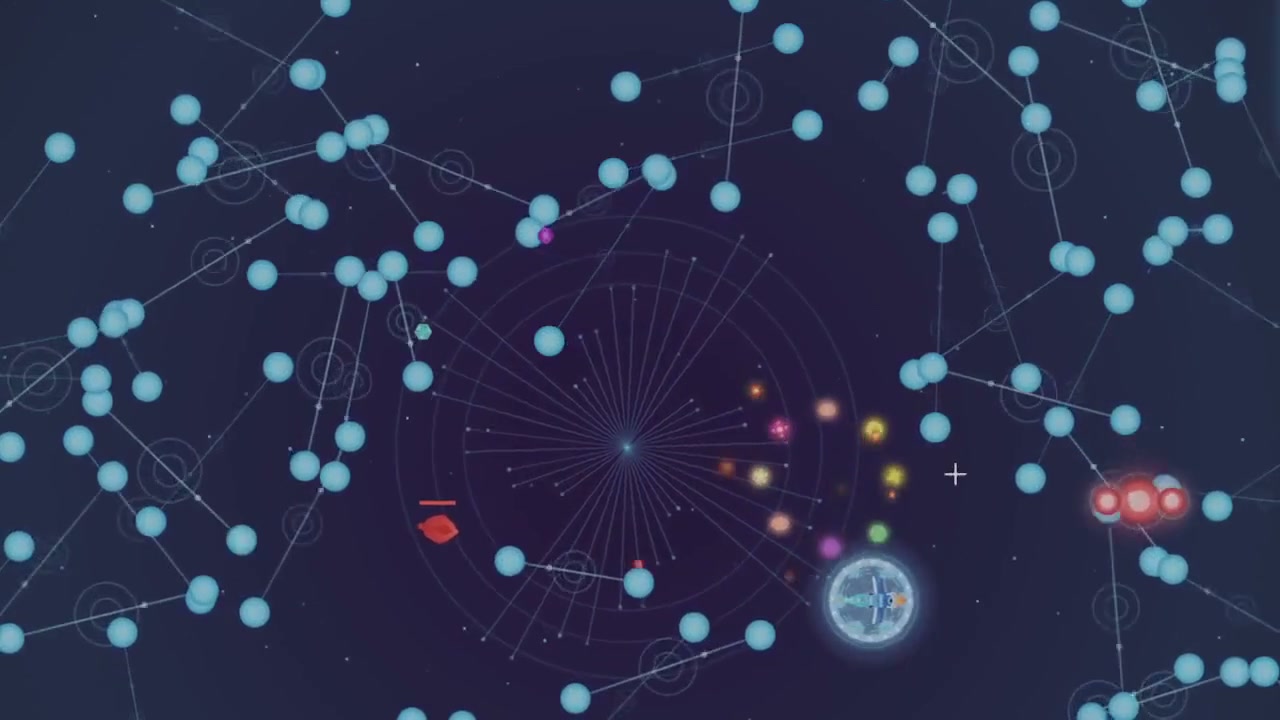
In Sci-Hy, players navigate through different modes representing different scientific approaches, experiencing how various theoretical frameworks lead to different gameplay mechanics and outcomes. This creates an immersive way to understand scientific debates and the evolution of scientific thought.
As the first game in this genre, SpaceBell establishes the foundation for what Scientific-Hypothesis Games can be, demonstrating how complex scientific concepts can be explored through engaging gameplay mechanics while maintaining scientific accuracy and educational value.
This Game's Scientific Hypothesis
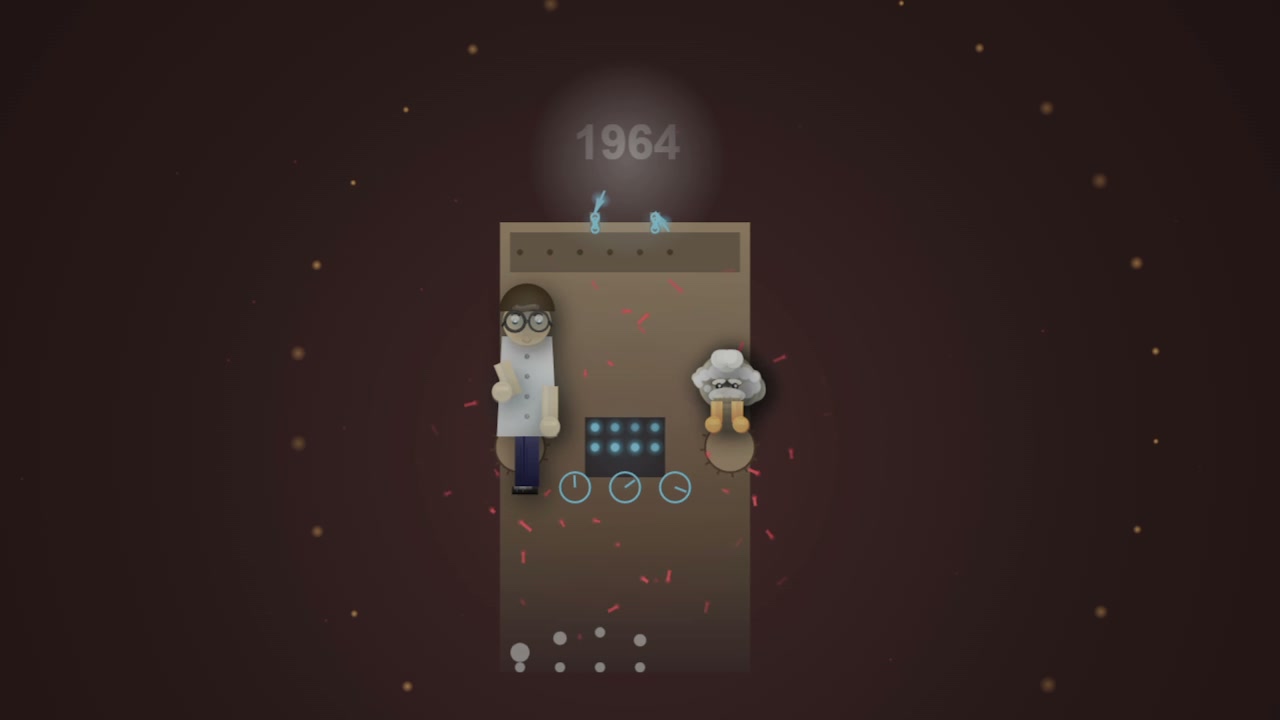
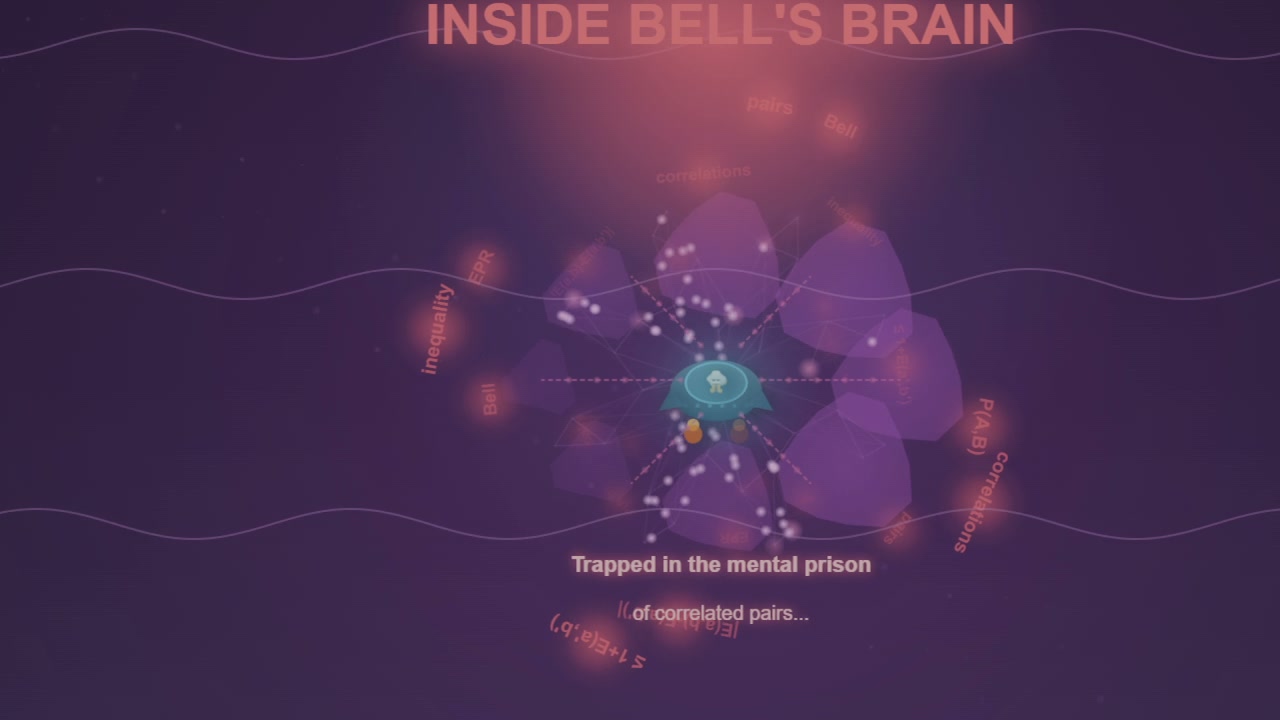
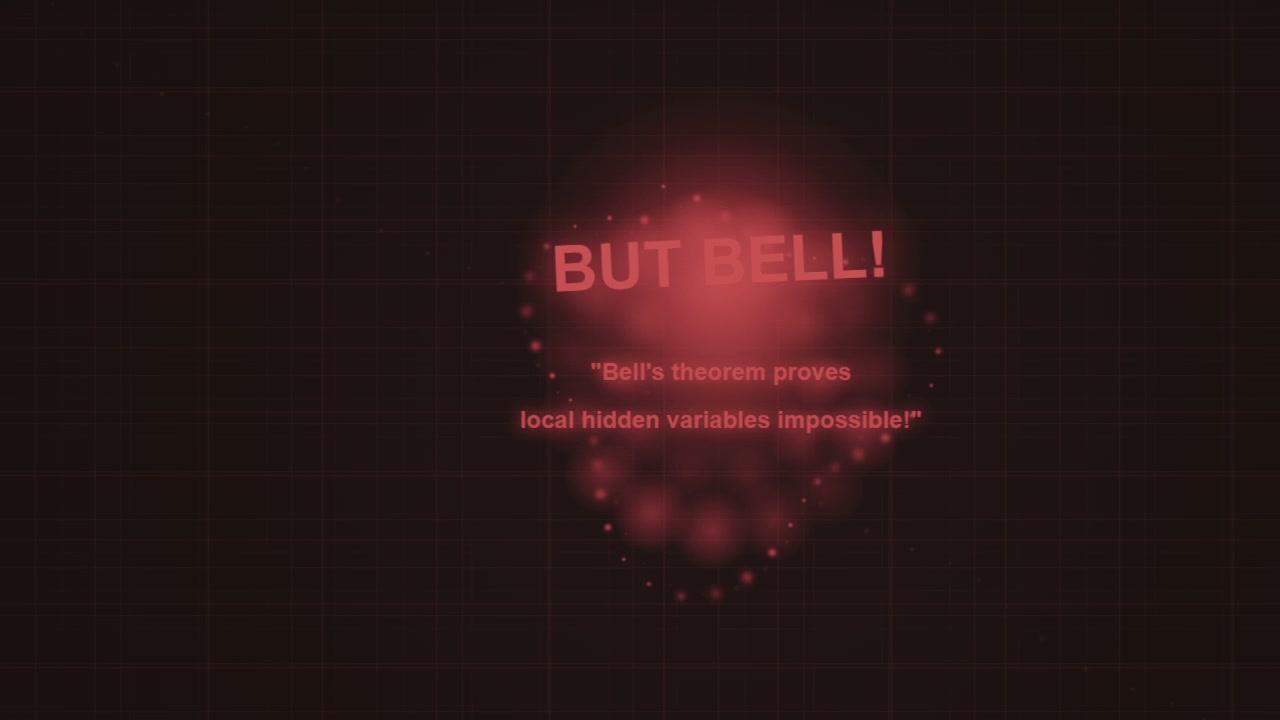
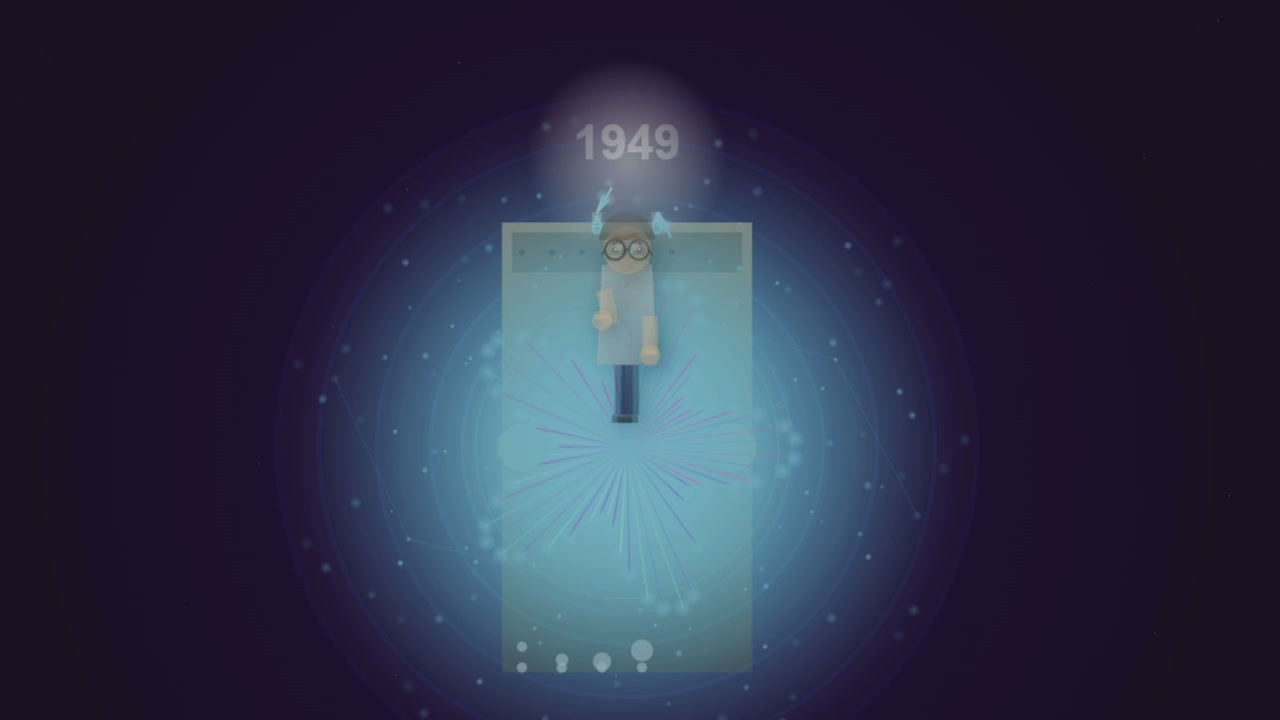
Sci-Hy (Scientific-Hypothesis Game) explores Einstein's 1949 arguments distinguishing ensembles from individual systems. Unlike Bell's theorem (which deals with correlated pairs), Einstein's later work focused on modeling a single radioactive atom's exact time instance in a local, objective, deterministic realistic framework.
Einstein's 1949 Argument: Einstein's later argument in 1949 sidesteps Bell's theorem entirely. If you only have a single system - either system A or system B, but not both - how does Bell's theorem apply? It doesn't. Bell's theorem requires correlated pairs to demonstrate non-local correlations. When working with individual systems (A or B separately), Bell's theorem is not applicable, allowing for local, objective, deterministic models.
The game introduces new terminology clarifying that Einstein advocated "Additional Variables" models (not hidden variable theories). This approach aims to:
- Solve the ultraviolet catastrophe continuously and classically
- Develop new spectral energy distribution formulas
- Create new oscillators for radiation
- Establish a new Planck's constant
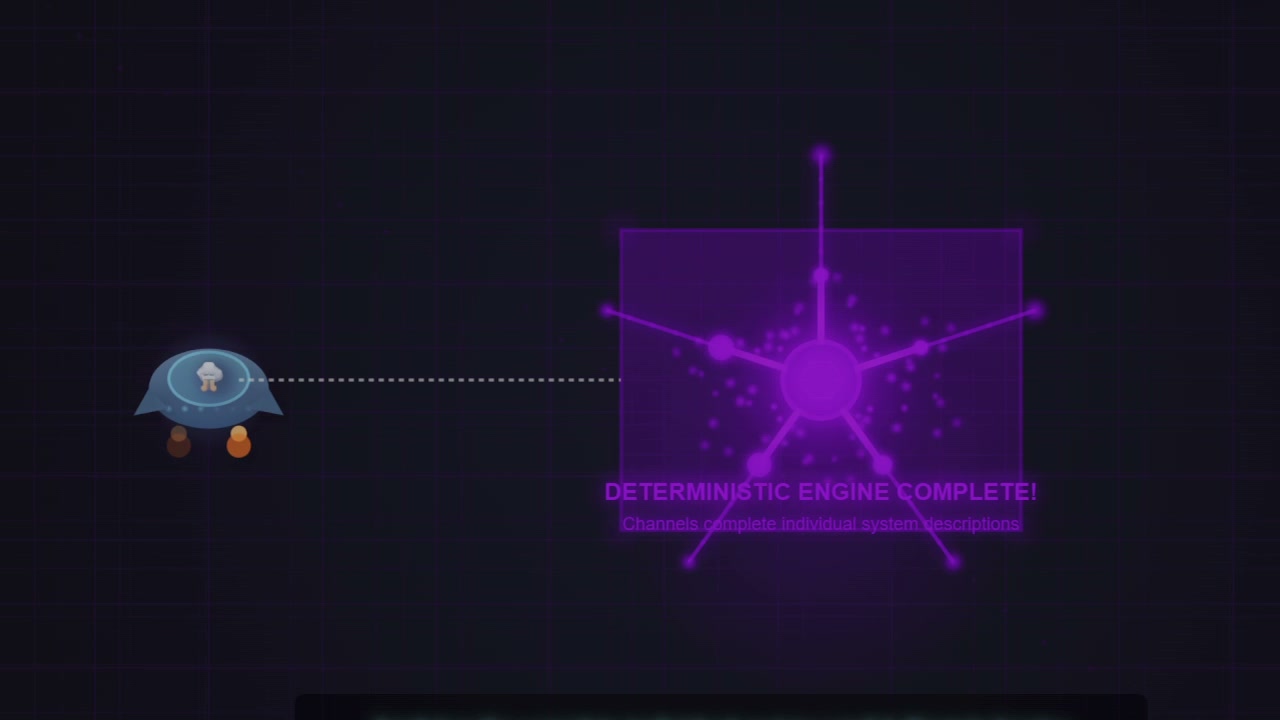
This approach extends to photons and ultimately seeks a new wave function (psi) with a new Hamiltonian where all observables commute and all variables are known - completing the program that Einstein envisioned.
Download
Click download now to get access to the following files:
Development log
- UpdateMar 17, 2026
Leave a comment
Log in with itch.io to leave a comment.